The taste of being
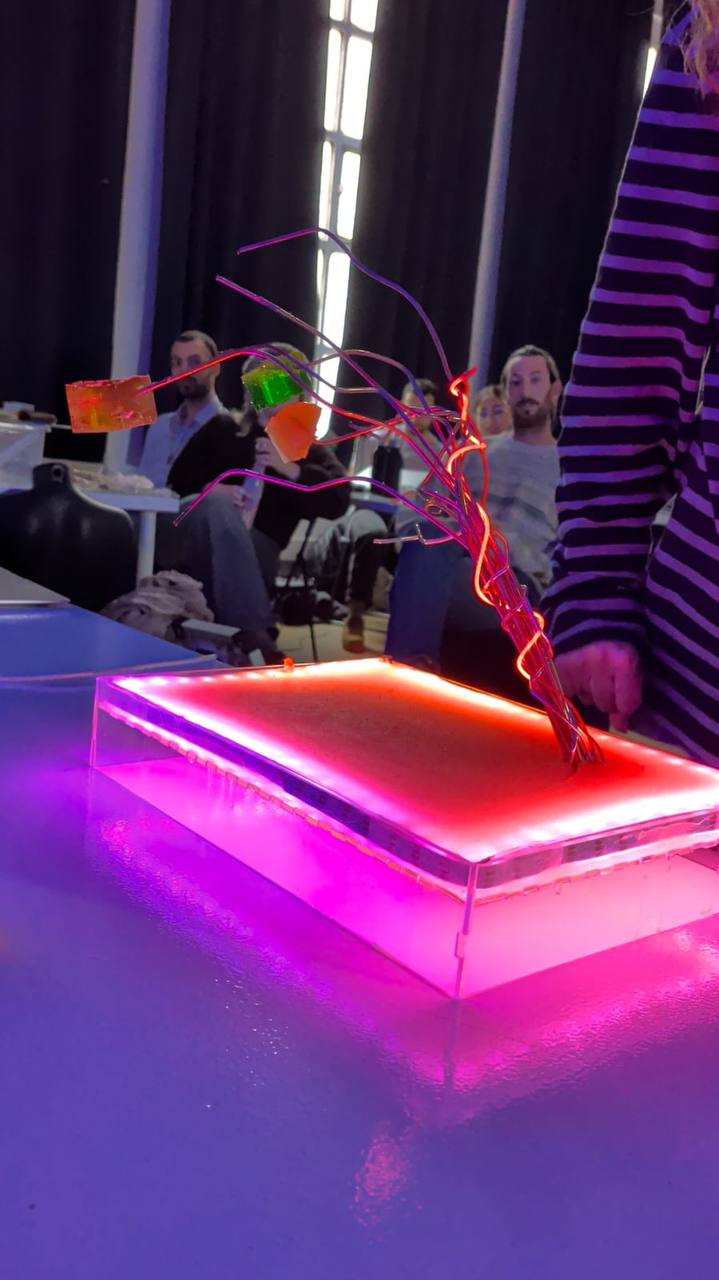
Edible Signals: A Capacitive Dialogue Between Body and Matter
Concept
The Taste of Being is an interactive installation that explores the relationship between human emotional intelligence and the material intelligence of food through the act of eating. Emotional intelligence refers to the human ability to perceive and interpret internal emotional states, while material intelligence describes the inherent physical and chemical properties that define how matter behaves.
Food exists at the intersection of these two forms of intelligence. It is both a material substance with measurable electrical properties and a medium strongly connected to human emotion and sensory experience. The project investigates how these two dimensions can interact through technology.
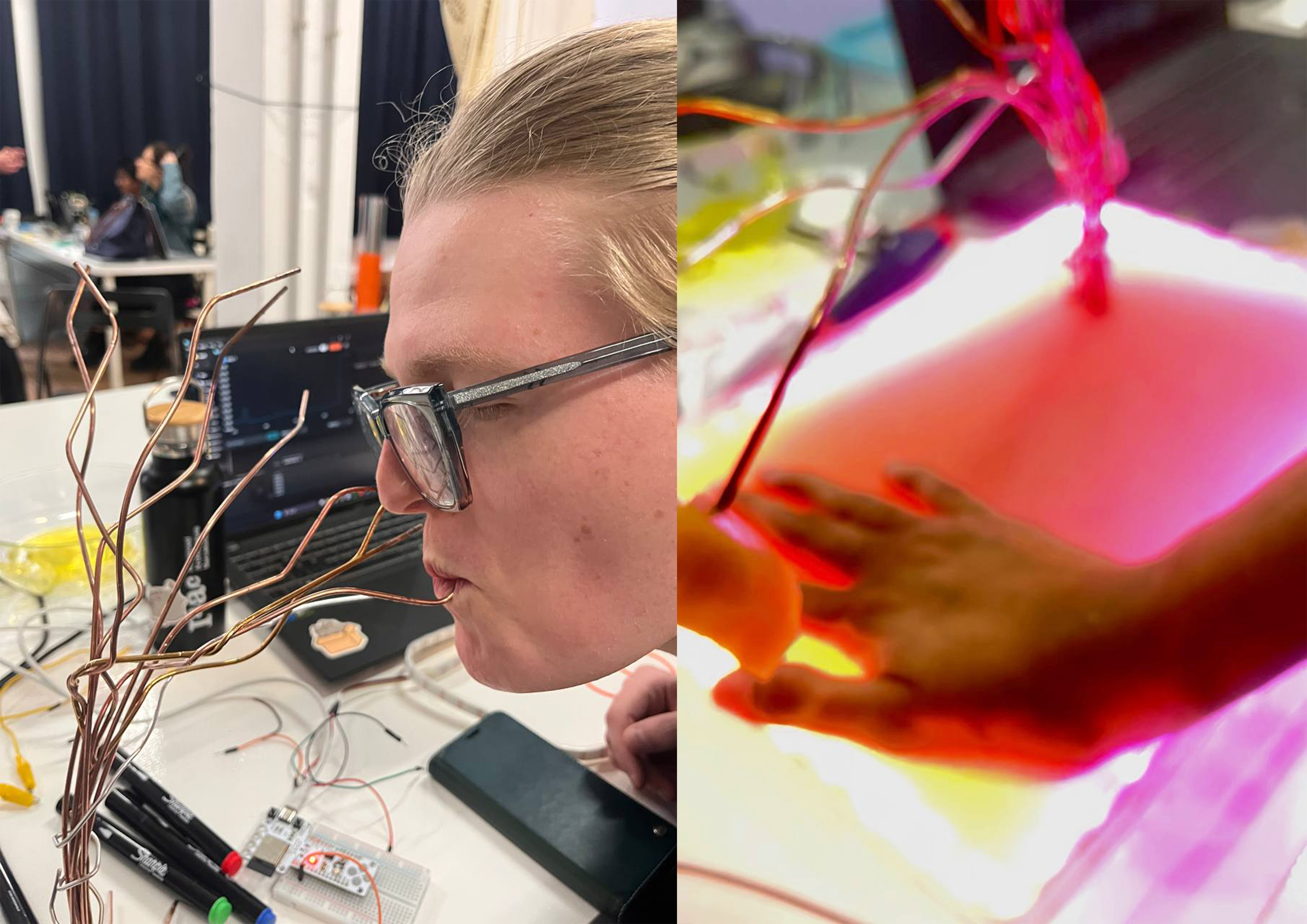
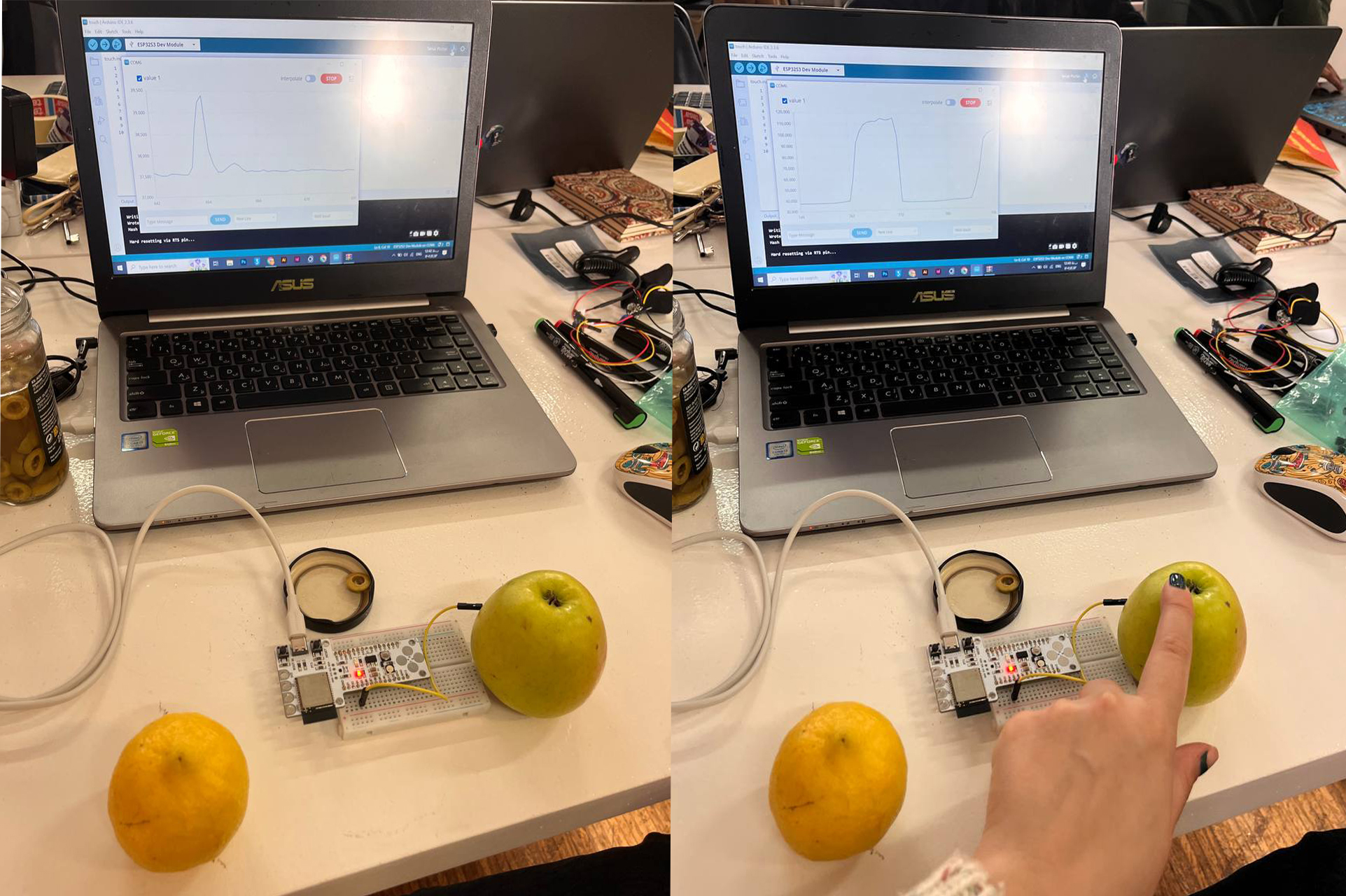
The installation creates a system in which edible materials act as capacitive sensors. When participants bite into pieces of food attached to the structure, microscopic transformations occur: cells rupture, moisture is released, and electrolytes become exposed. During this moment, the human body becomes part of the electrical field surrounding the system.
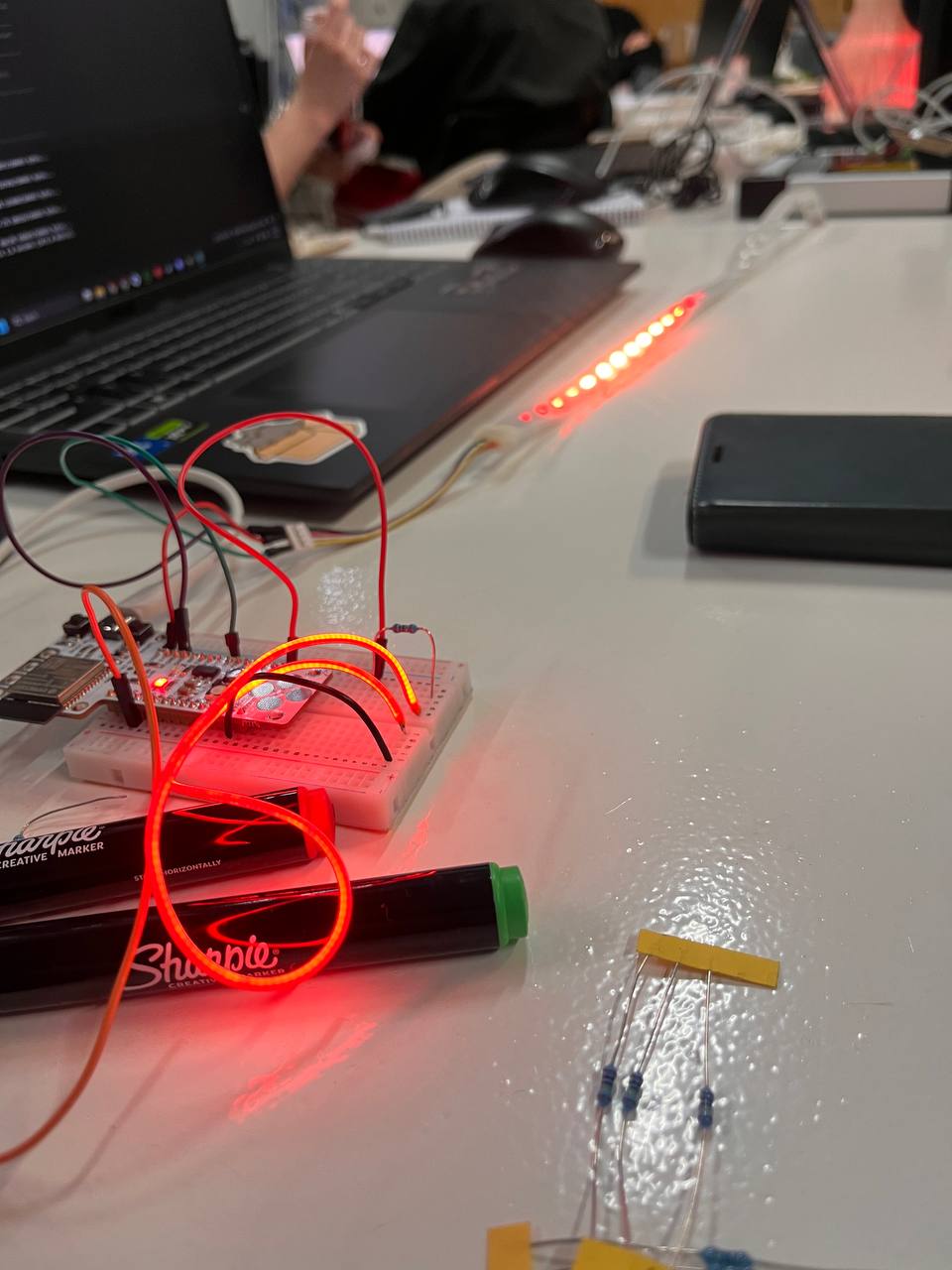
These subtle electrochemical changes alter the capacitance of the circuit. An Arduino microcontroller detects these variations and translates them into dynamic light patterns through embedded LEDs. In this way, the installation transforms an invisible material process into a visible sensory response, allowing eating to momentarily become a form of communication between body, matter, and machine.
Installation Structure
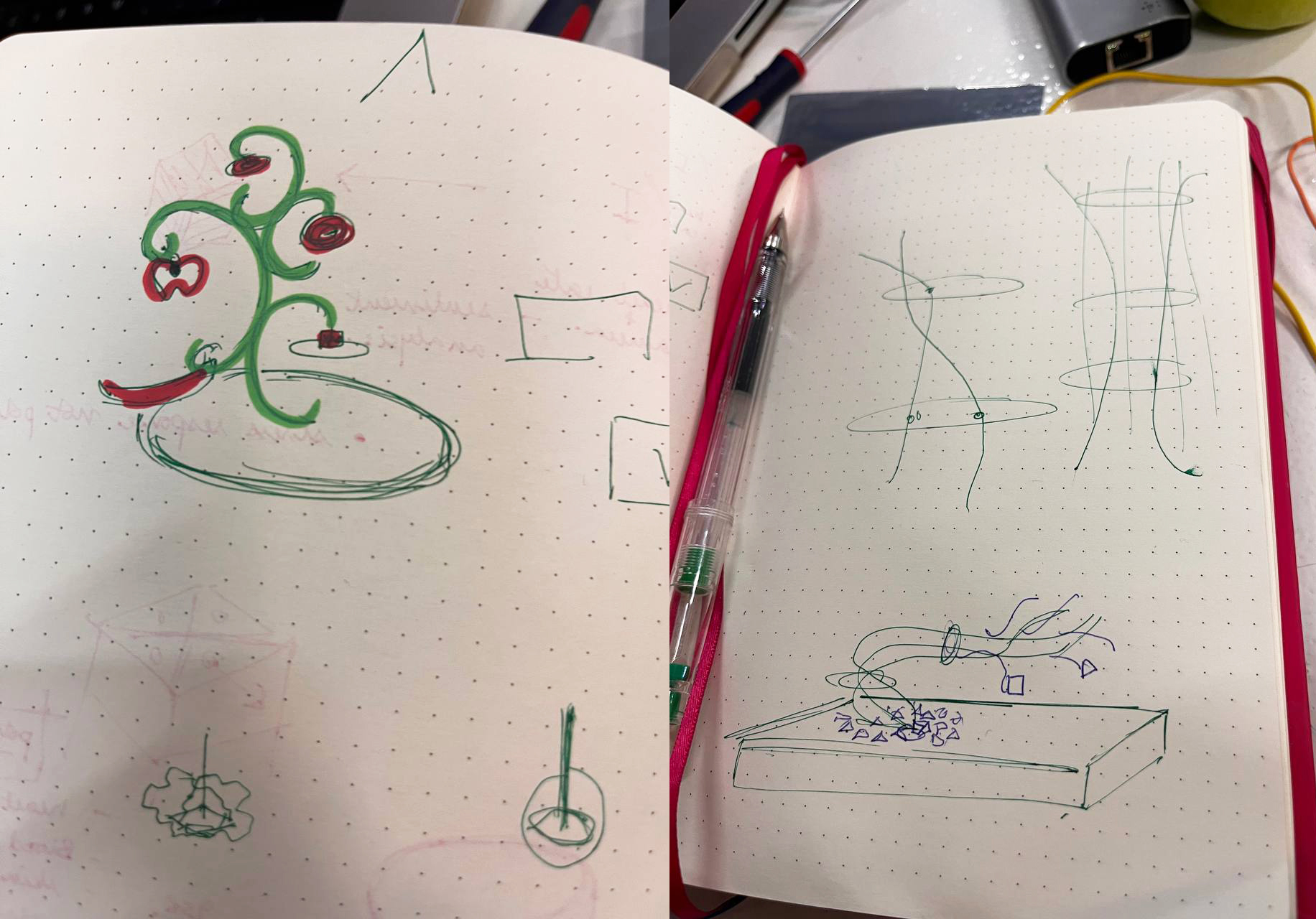
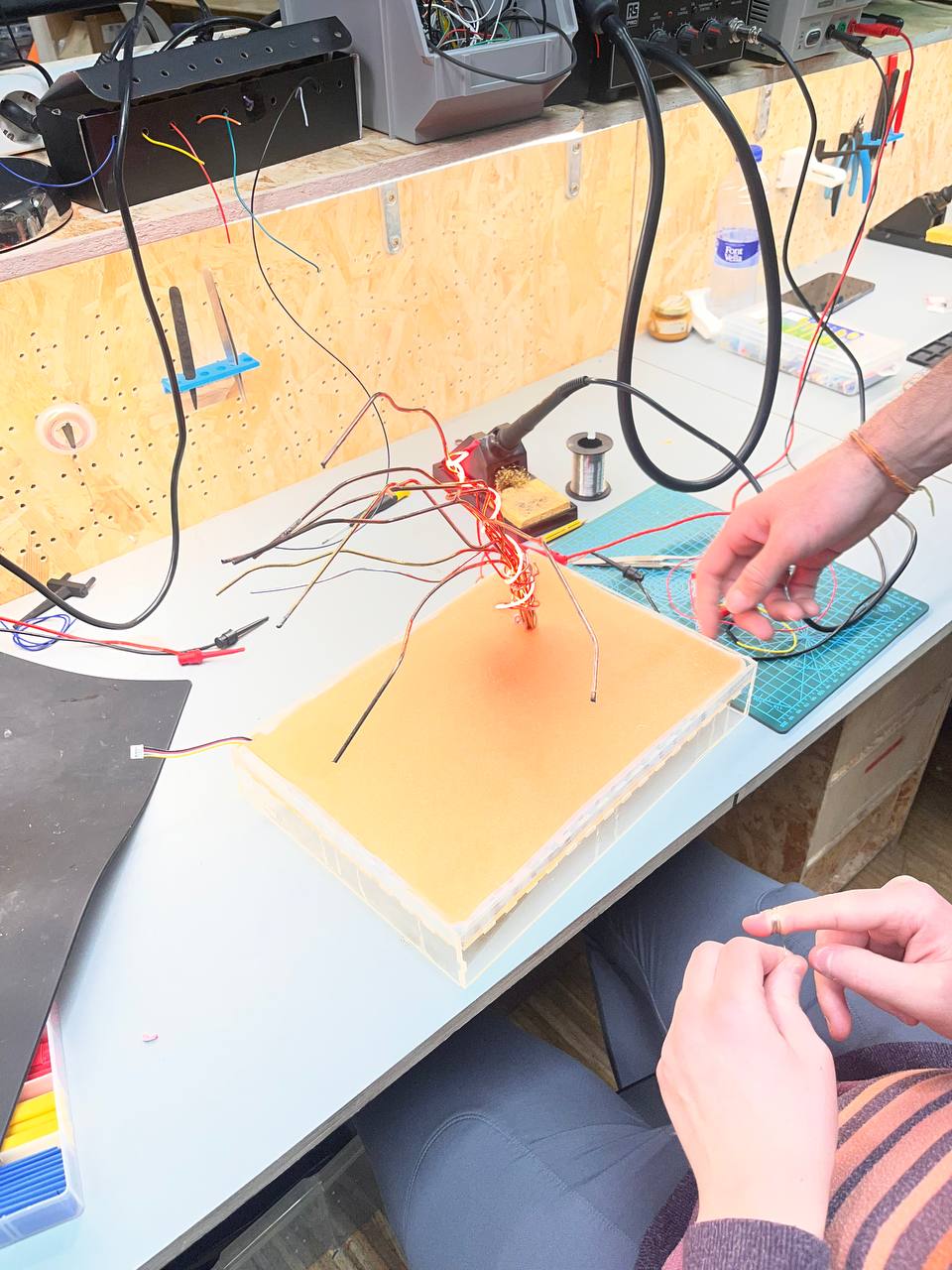
The physical installation is organized around a conductive tree-like structure built from copper wires. The branches function simultaneously as structural elements and capacitive sensing wires. Different edible materials—including grapes, gummies, and gelatin-based candy—are attached to the tips of these branches.
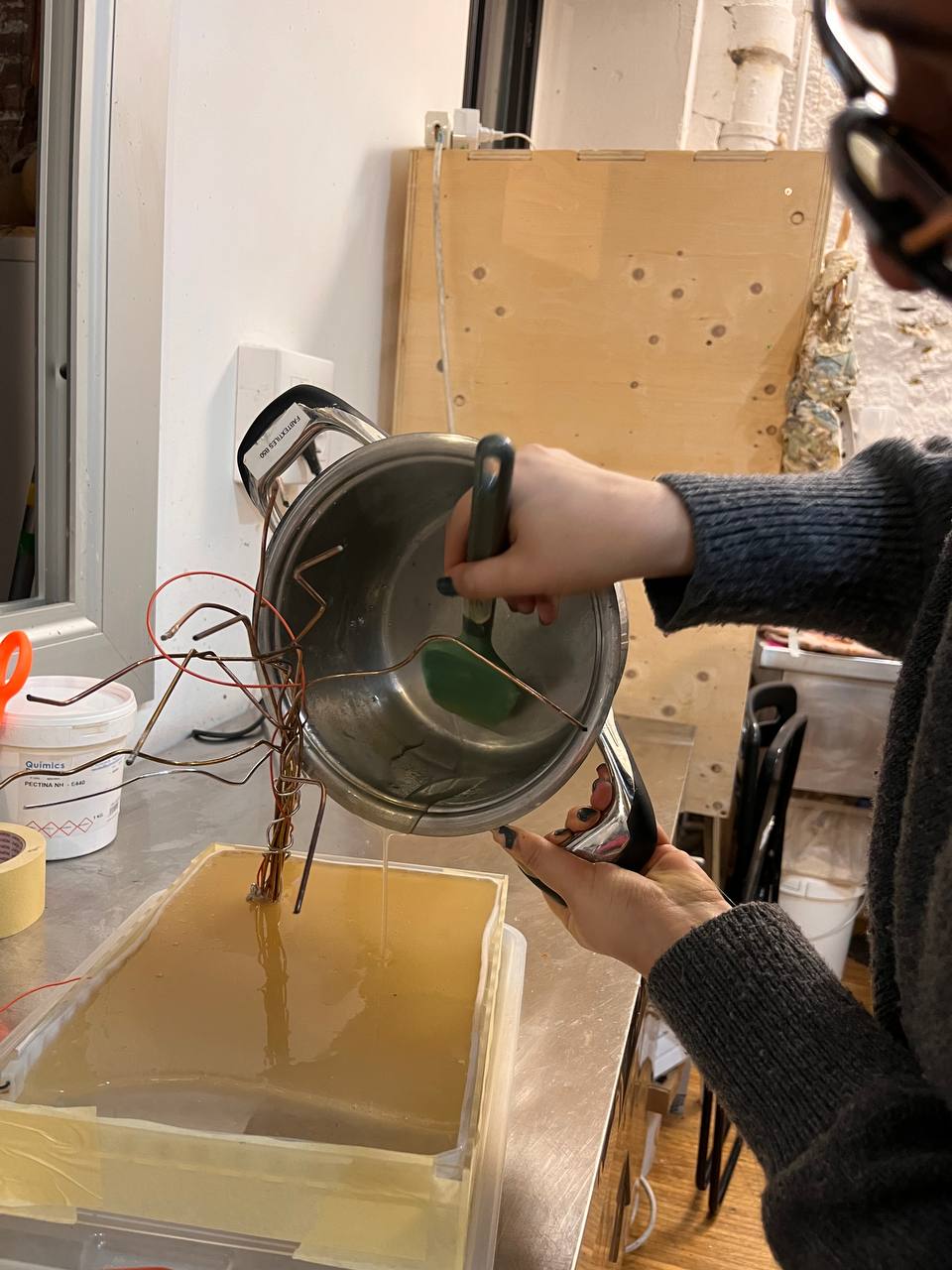
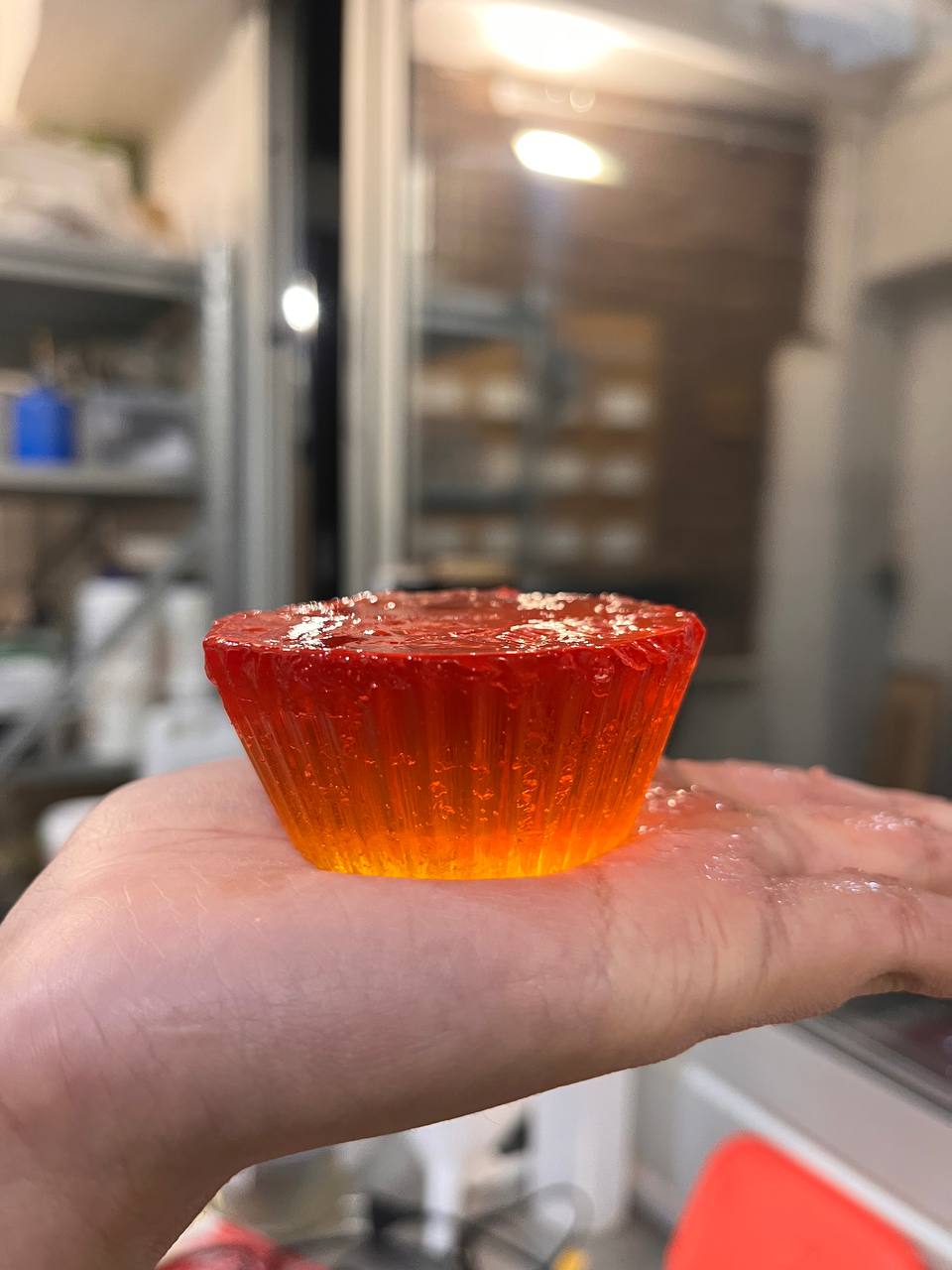
At the base of the structure, an illuminated platform made from translucent biomaterial contains a programmable LED system. The biomaterial, created from agar and gelatin, diffuses the light softly and allows electrical signals to appear as glowing variations within the base.
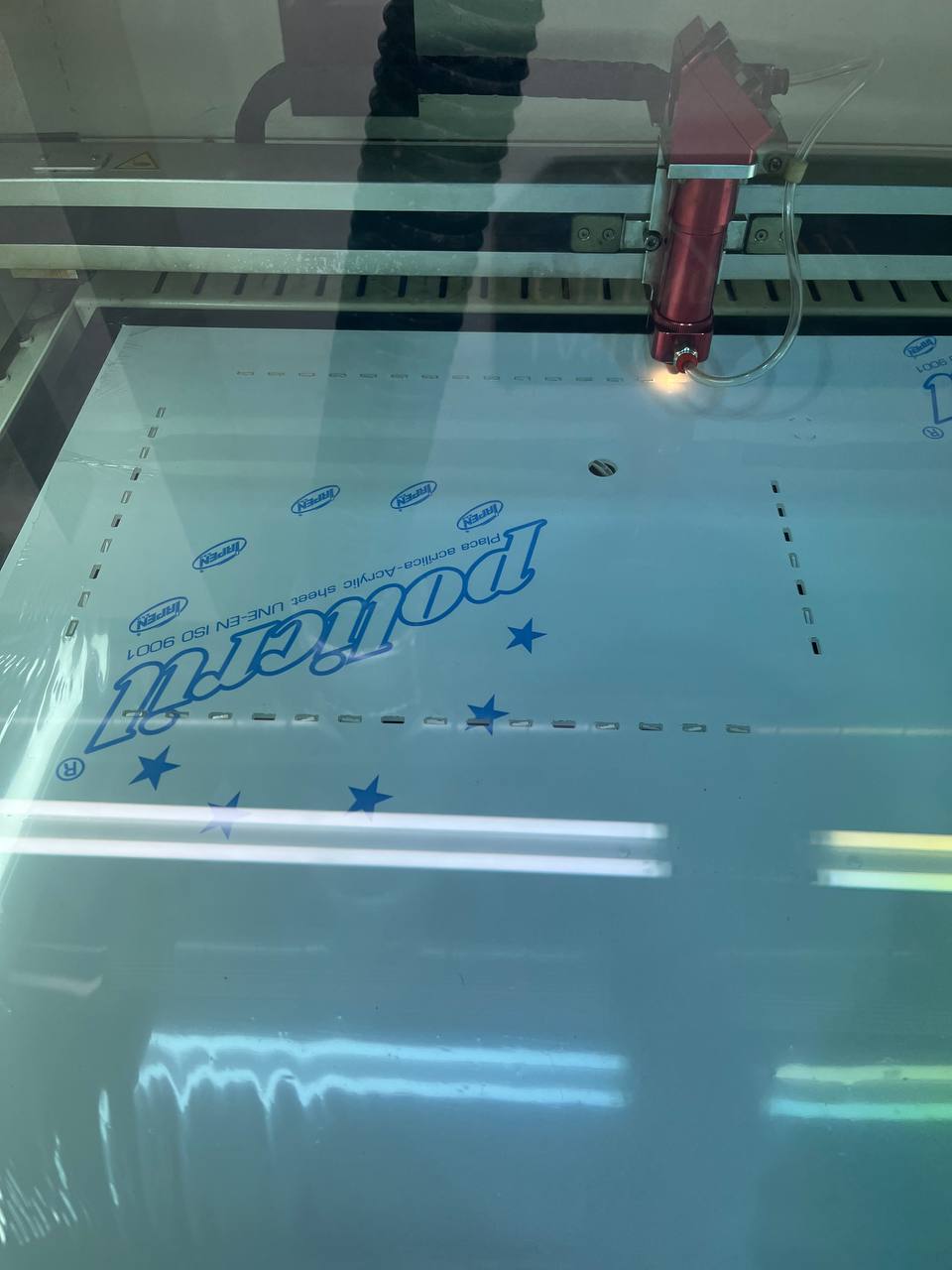
The entire artifact is housed within a transparent acrylic enclosure, exposing the electronic components and emphasizing the relationship between material structure and technological system.
Design Process
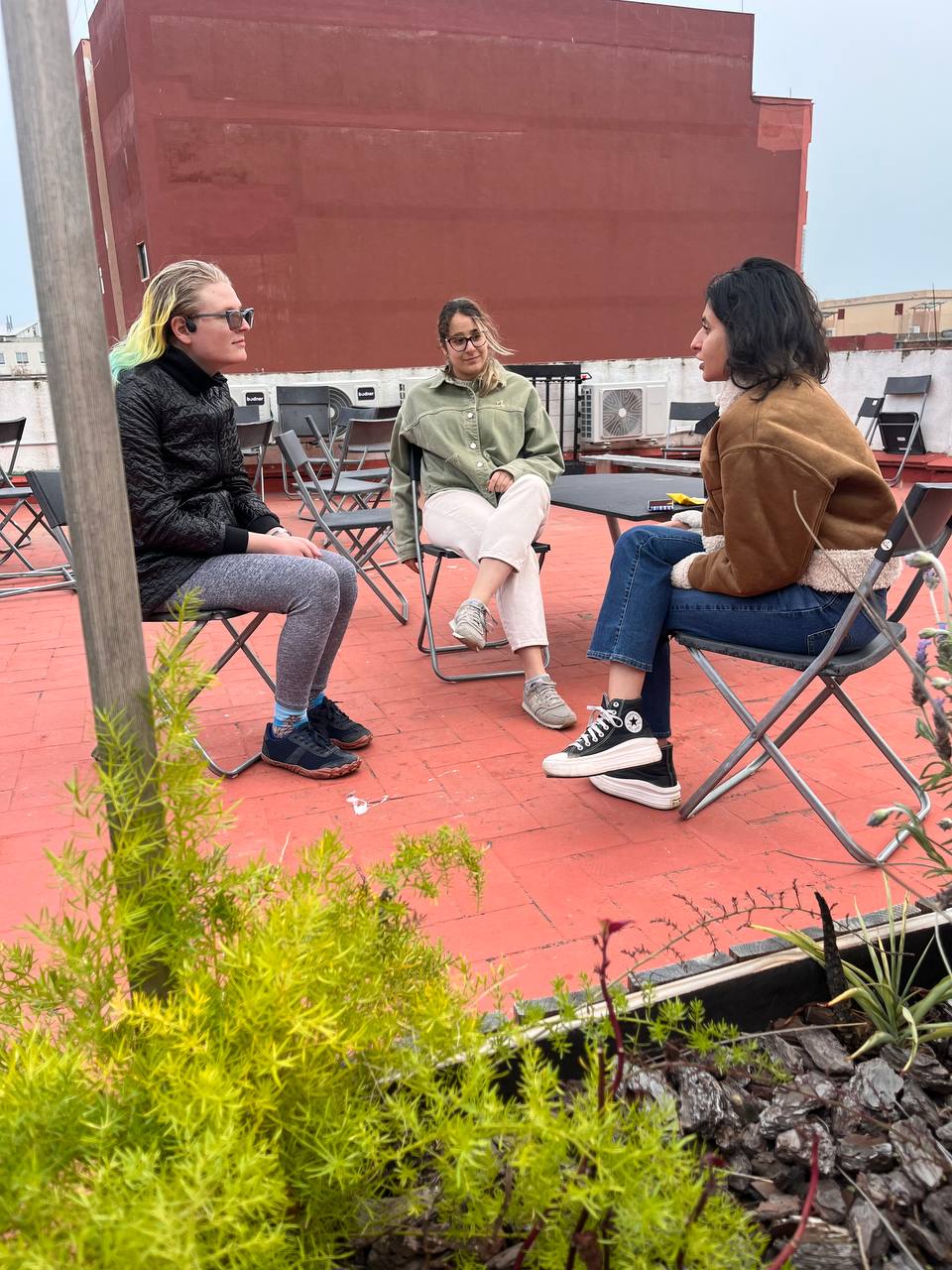
The design process began with an open exploration of the emotional connections people have with food. Instead of focusing only on taste, the team reflected on how certain foods evoke memories, comfort, or personal associations. This reflection helped frame the project around the relationship between emotion, sensory experience, and material behavior.
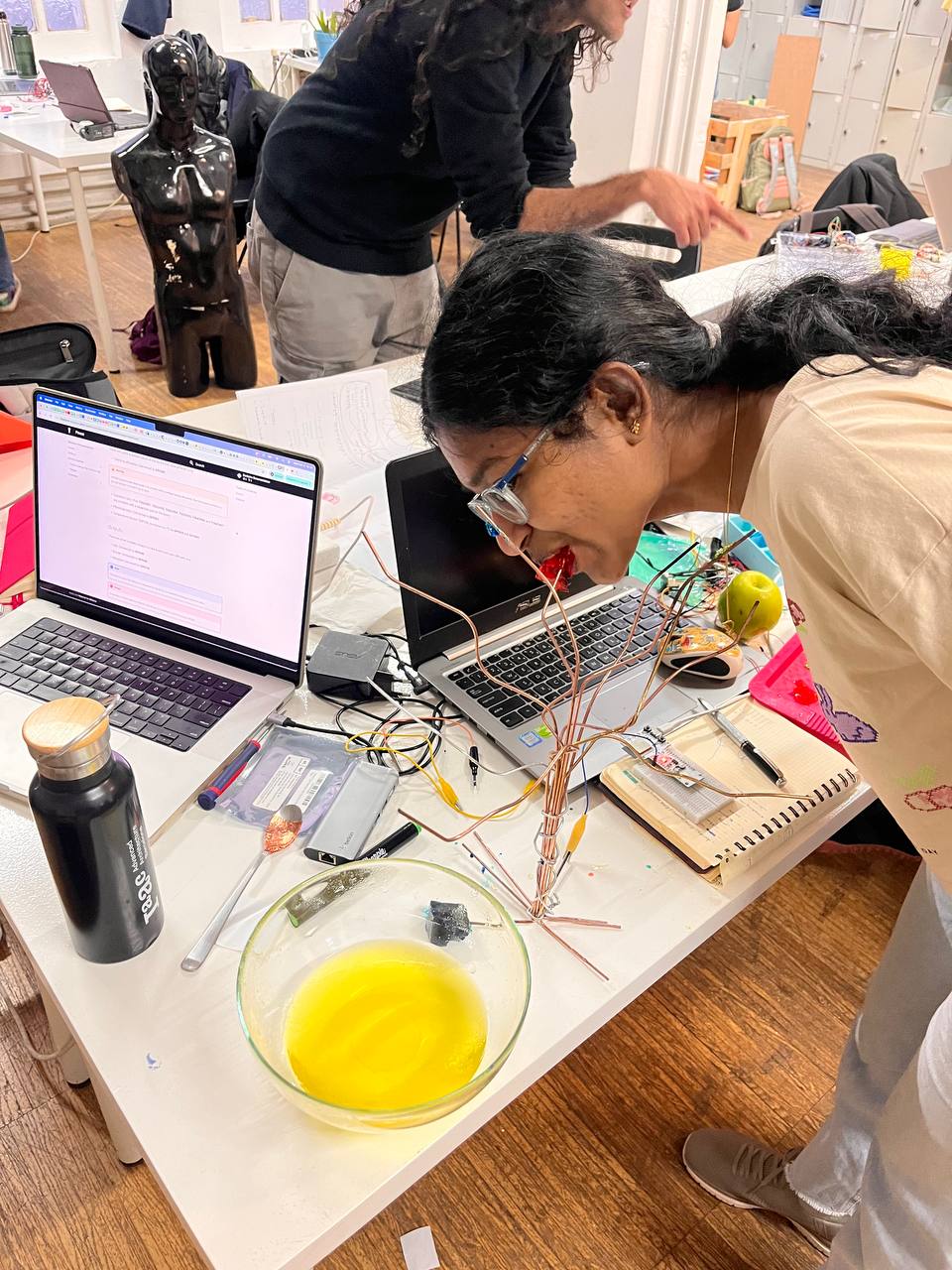
The next stage involved testing the electrical properties of various foods using capacitive sensing. Early experiments showed that foods with higher moisture content generated stronger electrical responses. Initially, water was considered because of its strong conductivity, but it proved difficult to integrate structurally into the installation.
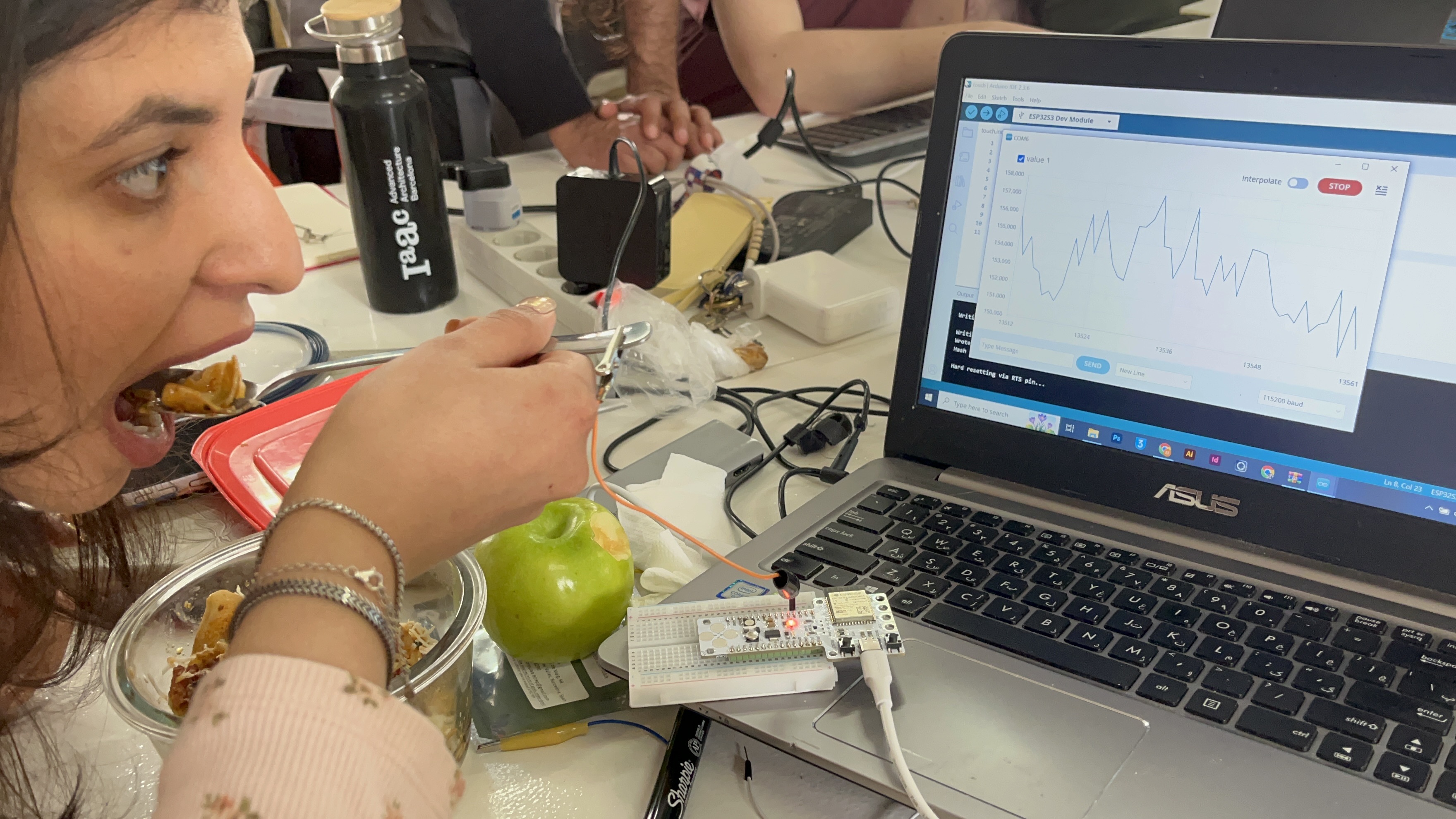
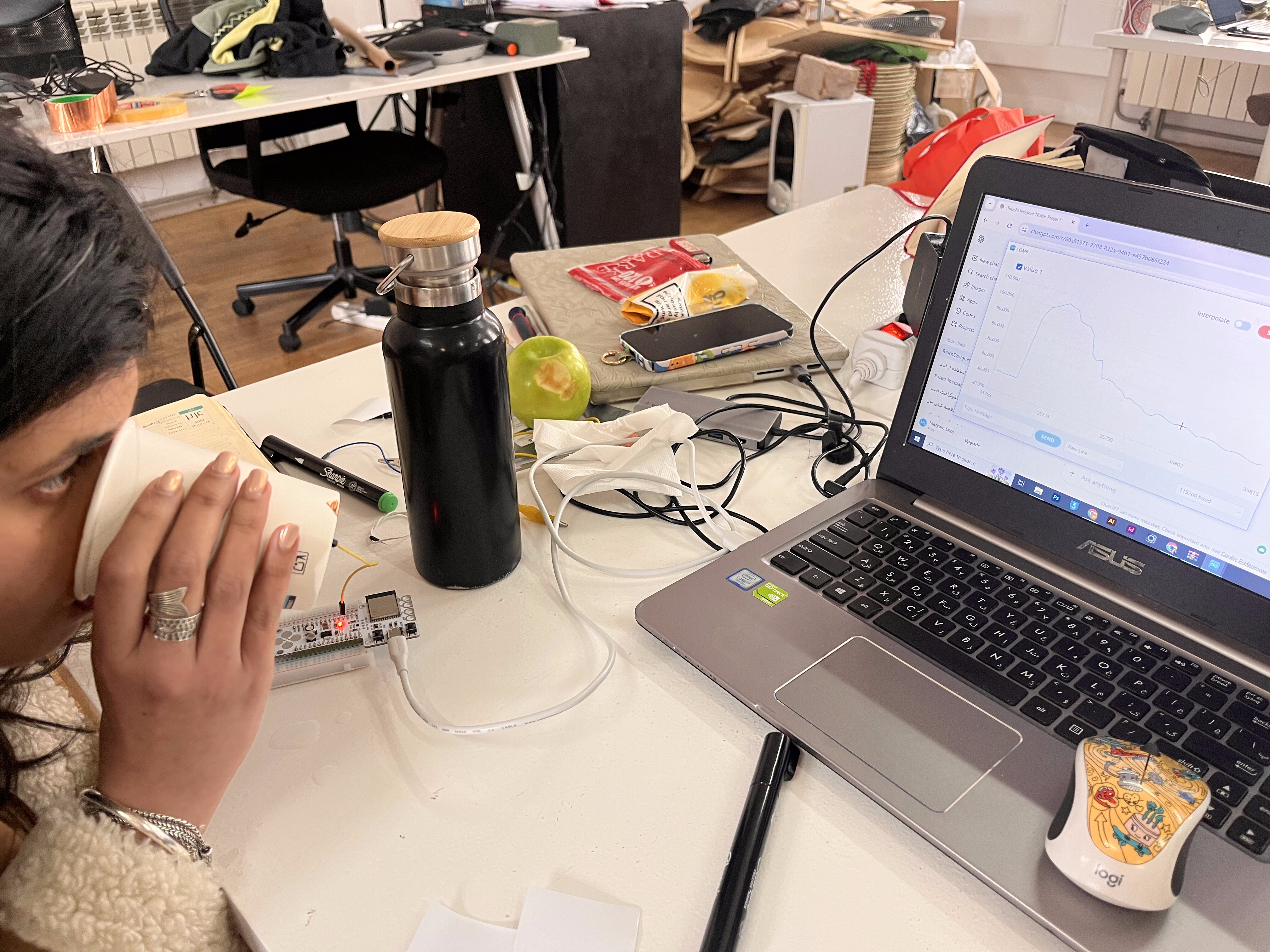
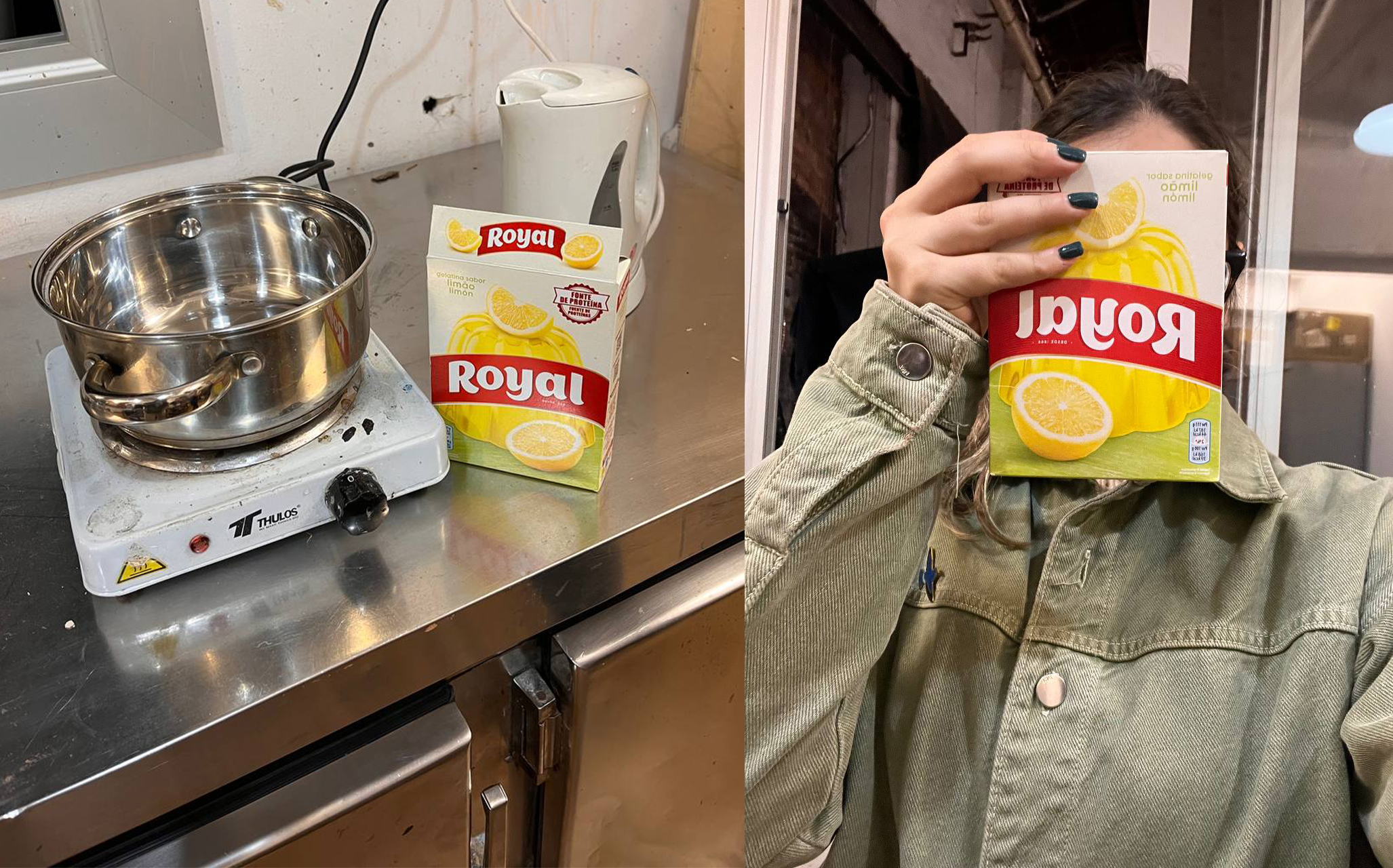
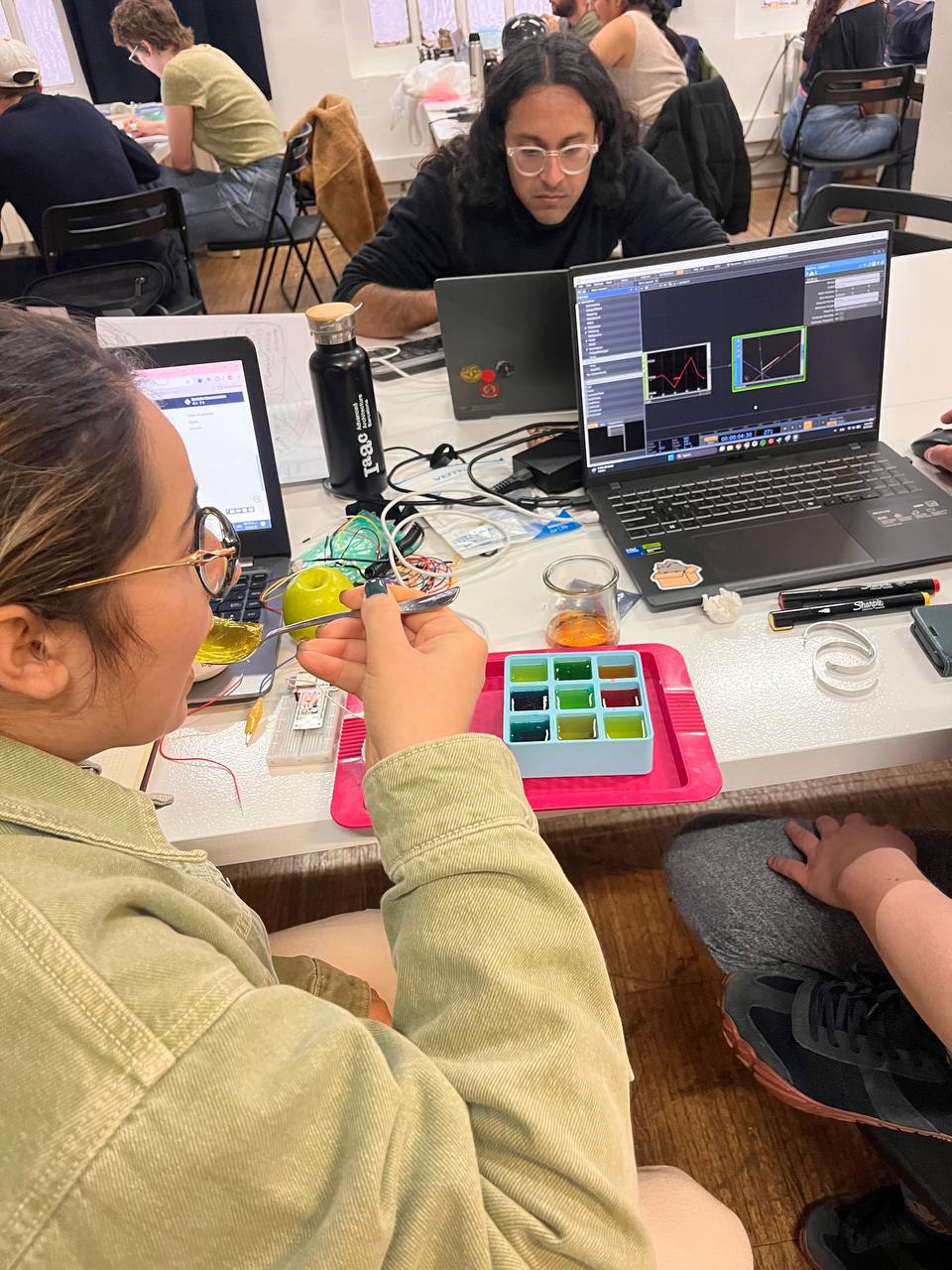
This challenge led to experimentation with fruits and gelatin-based foods such as grapes and jelly. These materials provided stable physical forms while maintaining strong capacitive responses.
During the prototyping phase, the discovery of flexible copper conductive wires allowed the team to construct a branching structure resembling a tree. This form provided both an aesthetic and functional solution: each branch could act as an individual sensing node connected to edible materials.
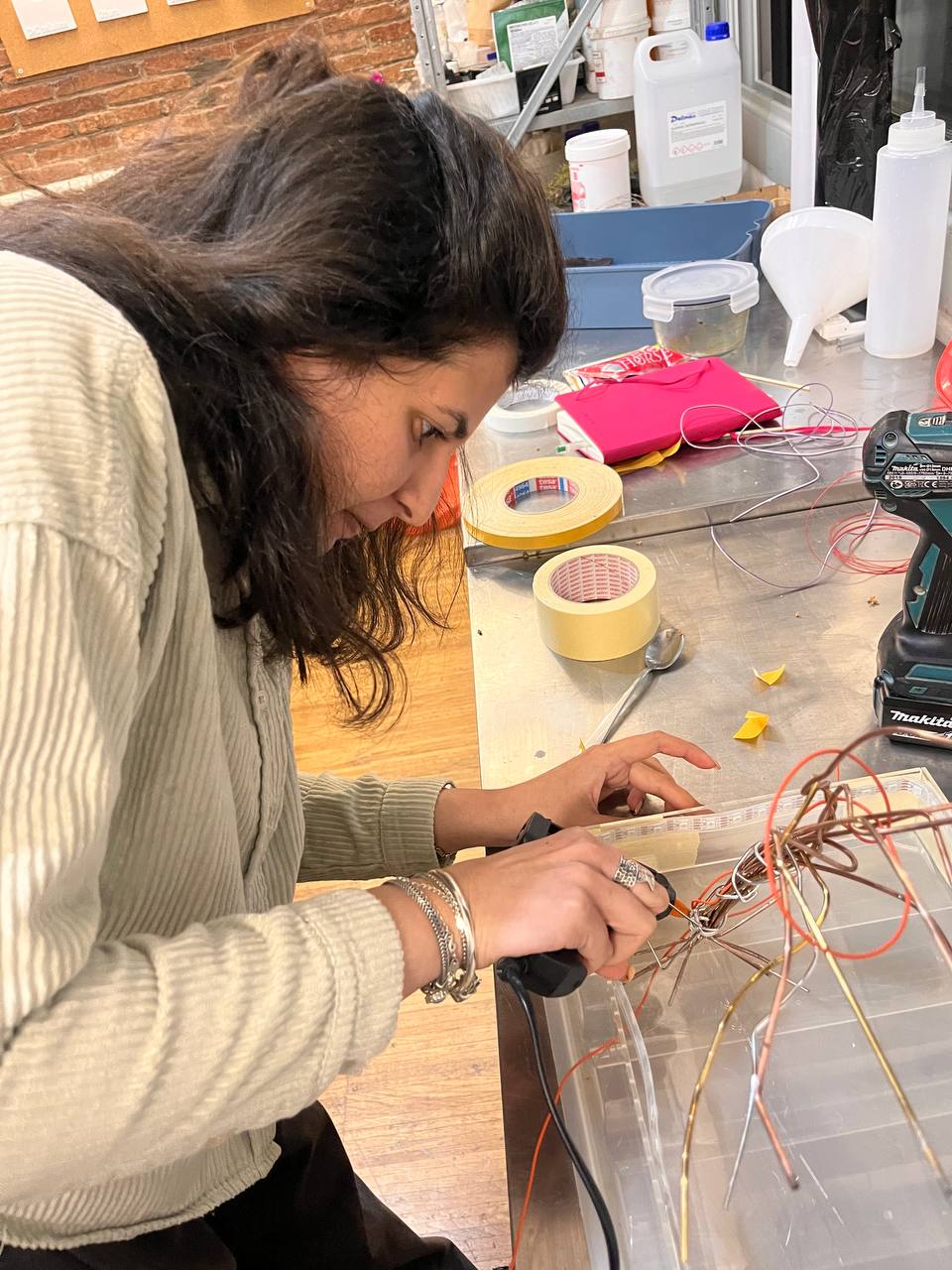
To understand how the sensor data behaved over time, an early system visualized the capacitance readings in TouchDesigner. Although this approach helped analyze the data, the team eventually shifted toward using light as the primary output. Light offered a more immediate and atmospheric way to translate electrical signals into a sensory experience.
The Arduino system was therefore programmed to convert capacitance readings into dynamic LED patterns embedded within the biomaterial base.
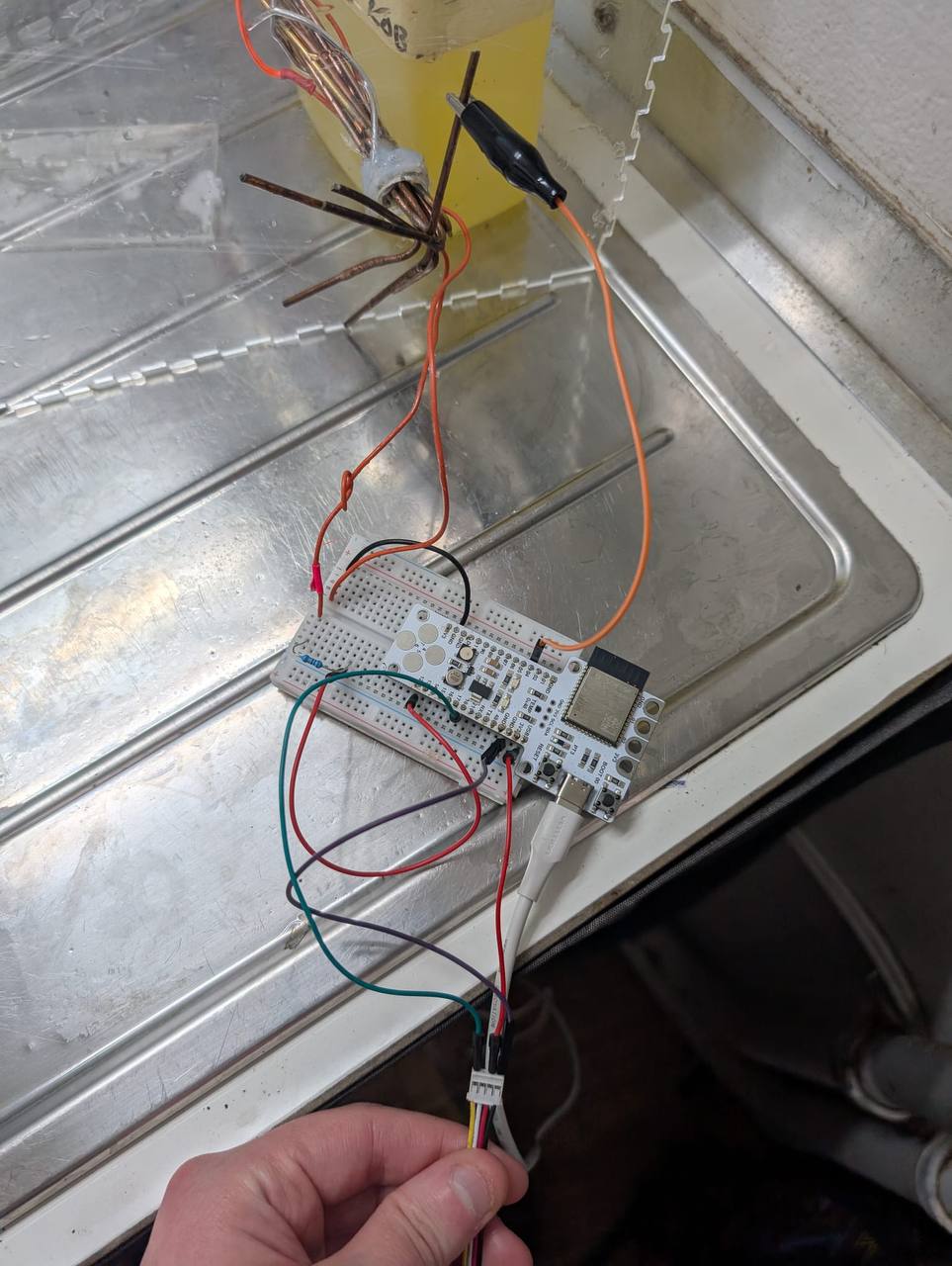
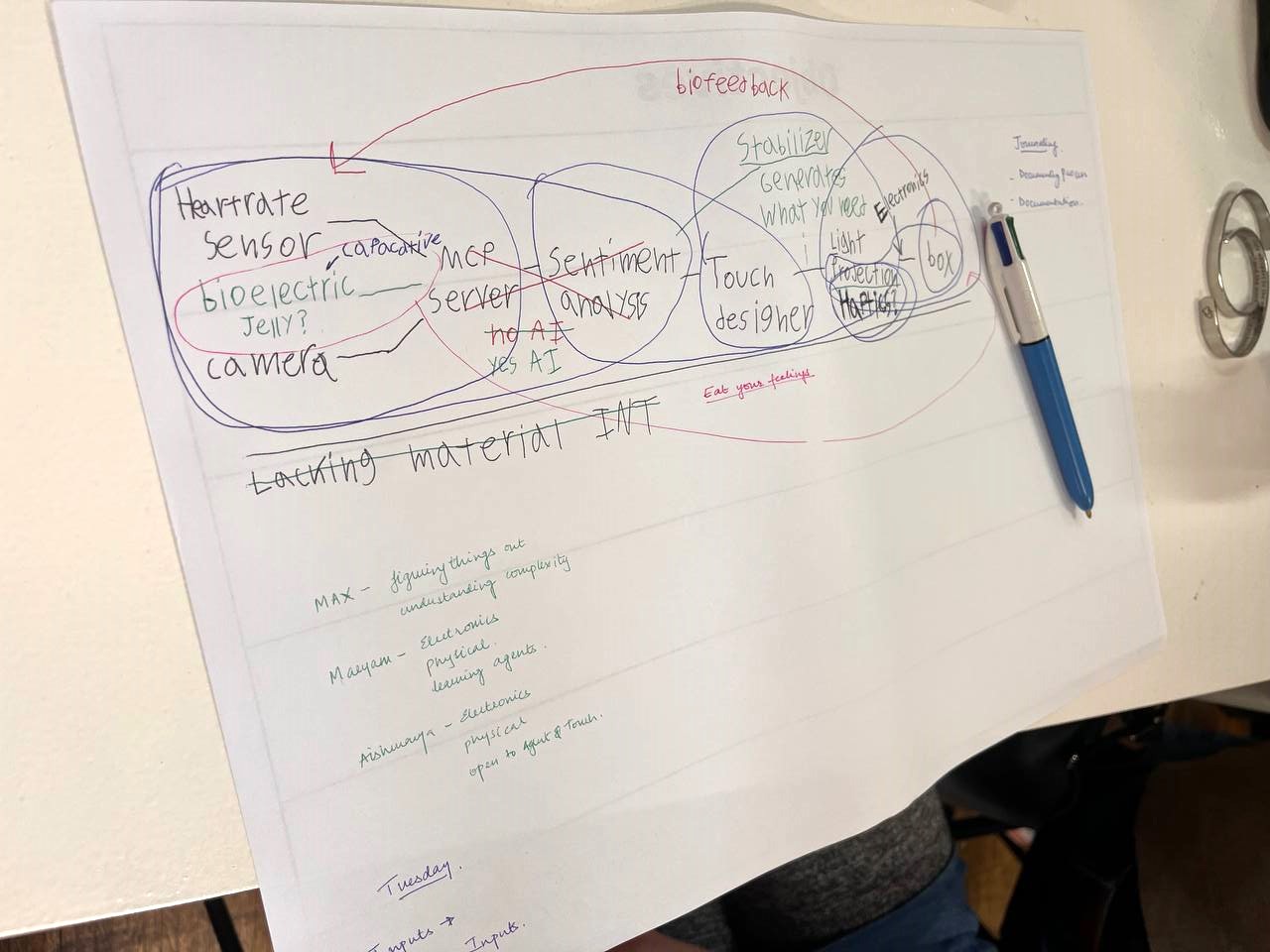
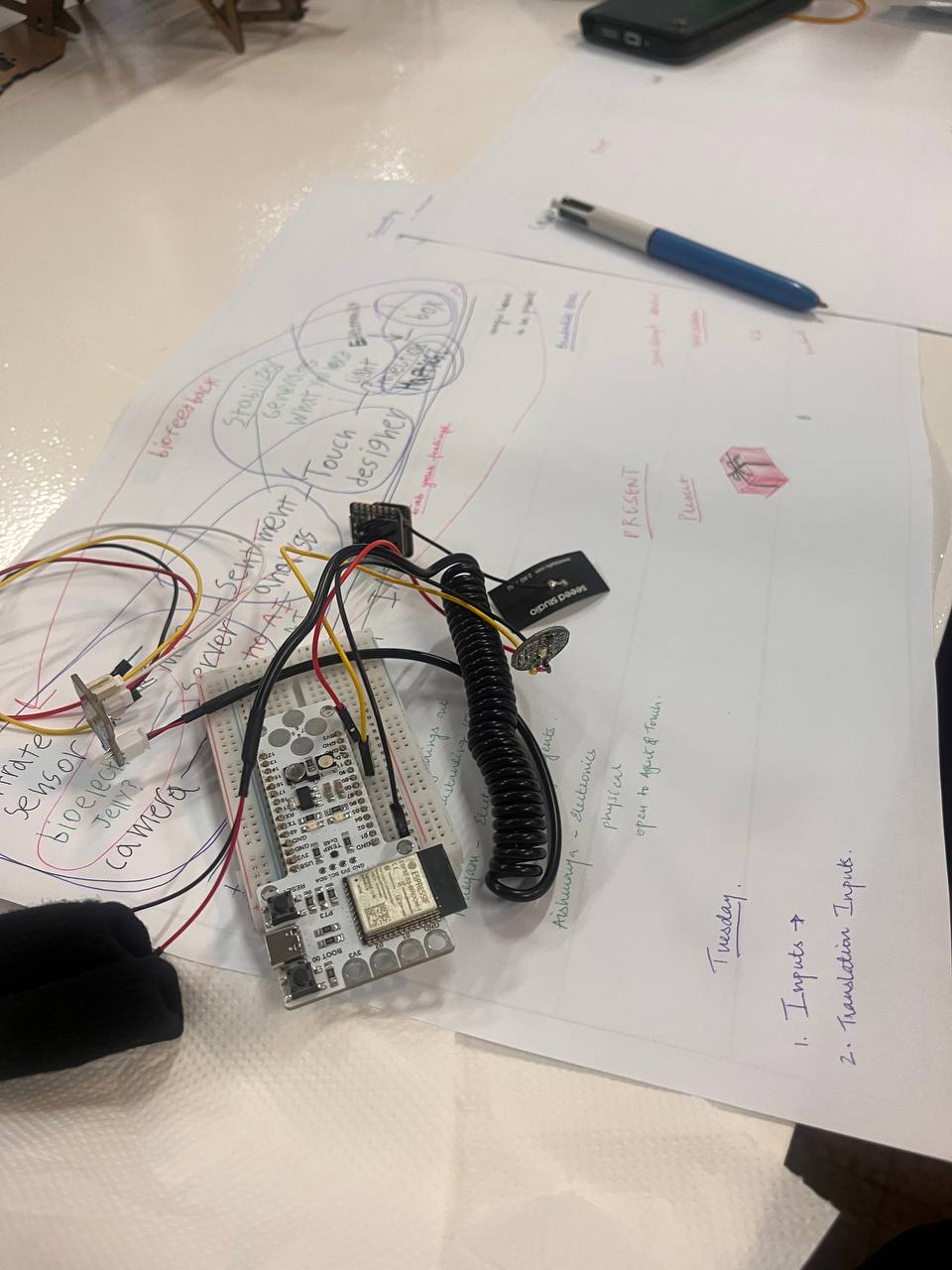
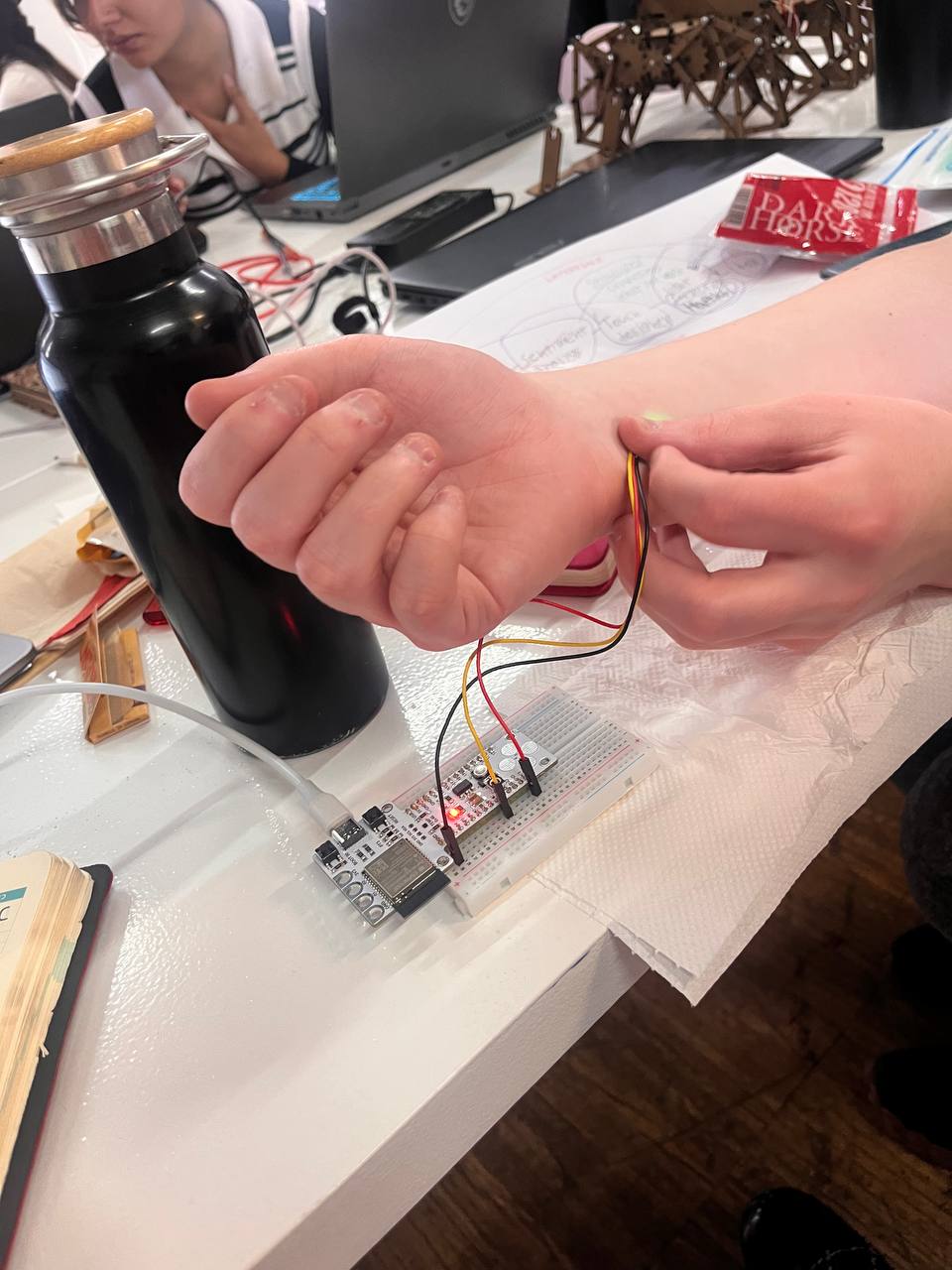
During the early stages of the project, we also explored different methods for sensing human emotions through physiological signals. Our initial idea was to create a system capable of detecting emotional responses and translating them into visual feedback. Inspired by devices such as polygraphs—which attempt to measure human reactions like stress through signals such as heart rate or skin conductivity—we experimented with several sensing approaches that could capture subtle bodily changes during interaction.
However, working with the materials and technical resources available to us made it difficult to measure signals such as heart rate with the sensitivity required for reliable detection. Because of these limitations, we shifted our focus toward capacitive sensing as a more stable and responsive method. Instead of directly measuring physiological signals, the system detects changes in capacitance produced through the interaction between the human body and conductive edible materials. This approach ultimately allowed the installation to maintain the idea of sensing human presence and interaction while remaining technically feasible within the material and electronic constraints of the project.
Team
The project was developed collaboratively by:
-
Maxavier Guss
-
Maryam Shojaei
-
Aishwarya Kaura
Team Roles
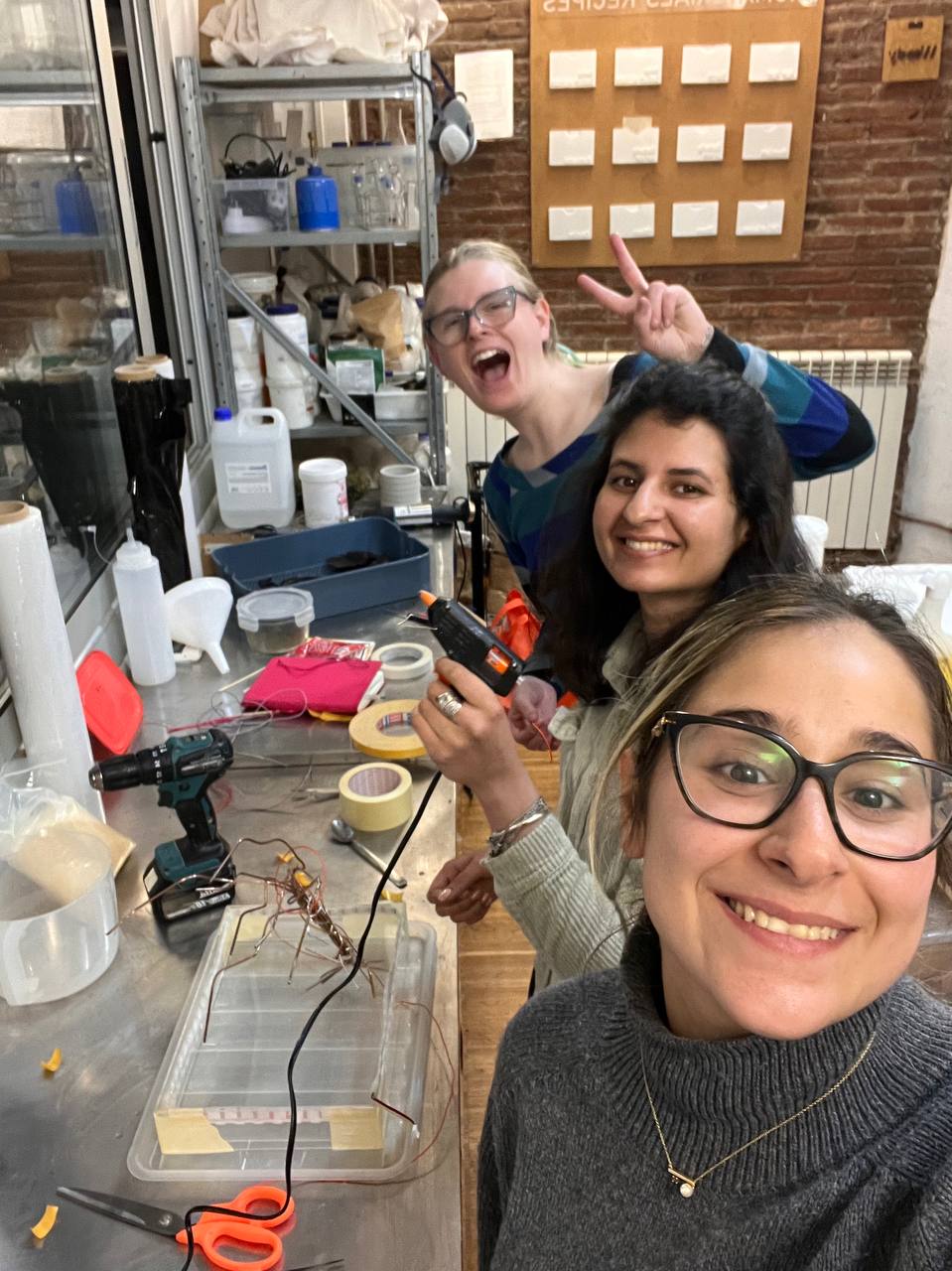
Although the project evolved through continuous collaboration, specific areas of responsibility were distributed across the team. Maryam Shojaei led the physical fabrication, constructing the conductive tree structure and designing the base enclosure that houses the electronic components. Maxavier Guss developed the electronic system, including the capacitive sensing architecture and Arduino integration that connects the food elements to the lighting system. Aishwarya Kaura worked on the edible and biomaterial components, experimenting with jelly recipes and exploring agar-gelatin bioplastic materials used in the base of the installation. Throughout the process, the team worked closely together to prototype, test, and refine the system until the physical, electronic, and material components functioned as a cohesive interactive artifact.
Challenges and Material Experiments
Challenges and Material Experiments
One of the main challenges during the development of the installation was identifying a material for the base that could both diffuse light and visually reveal the embedded electronics while maintaining structural stability. Initially, the intention was to cover the base with a transparent material so that the internal lighting system could remain visible. At first, resin was considered as a possible solution because of its transparency and structural rigidity. However, after testing this approach, the team realized that resin would not allow the same organic light diffusion that the project required.
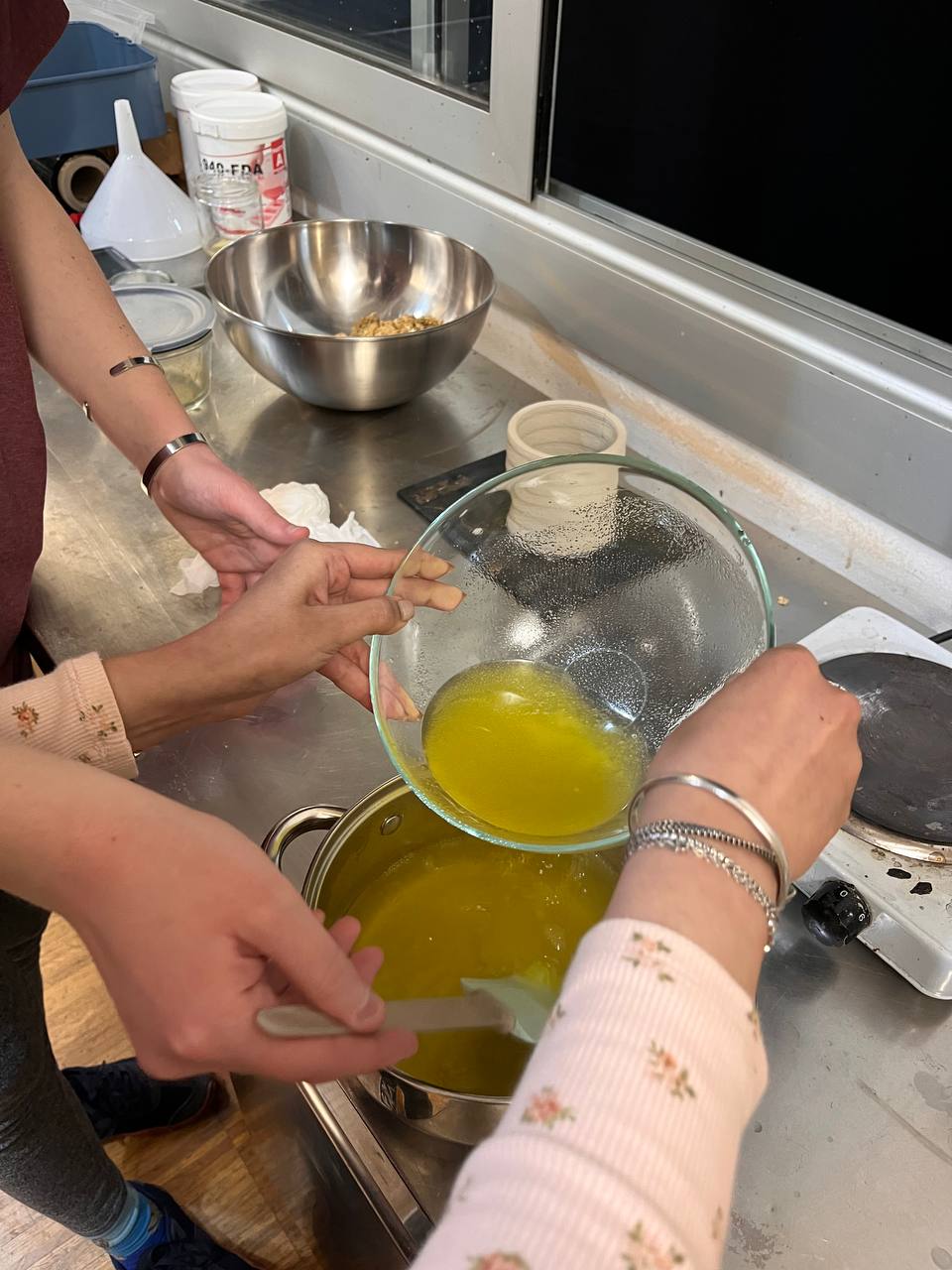
This led to a series of experiments with biomaterials, specifically mixtures of agar-agar and gelatin. In the first trials, the mixture contained a higher proportion of agar-agar. Structurally, the material held its shape well and solidified effectively, but it lacked the level of transparency needed for the lighting effect. The material appeared too opaque, preventing the LEDs from producing the soft glow that the installation required.
After evaluating this result, the team removed the existing material and decided to experiment with gelatin alone in order to achieve a more transparent result. While this version improved the clarity of the material, it introduced a new problem: the mixture lacked sufficient density and remained too liquid. The material required refrigeration to solidify, and even after cooling, it did not provide enough structural stability for the installation.
When the gelatin mixture was poured into the base structure, its low viscosity caused it to spread uncontrollably. The material leaked beyond the intended boundaries, covering parts of the installation and creating a messy surface filled with spilled jelly. At this stage, the entire base had to be cleaned and the failed material removed.
Following this setback, the team returned to experimentation and developed a more balanced mixture combining both agar-agar and gelatin. This final composition provided the necessary structural stability while still maintaining enough translucency for the LED light to diffuse through the material. Through this iterative process of trial, failure, and refinement, the team was able to produce a biomaterial base that functioned both aesthetically and structurally within the installation.